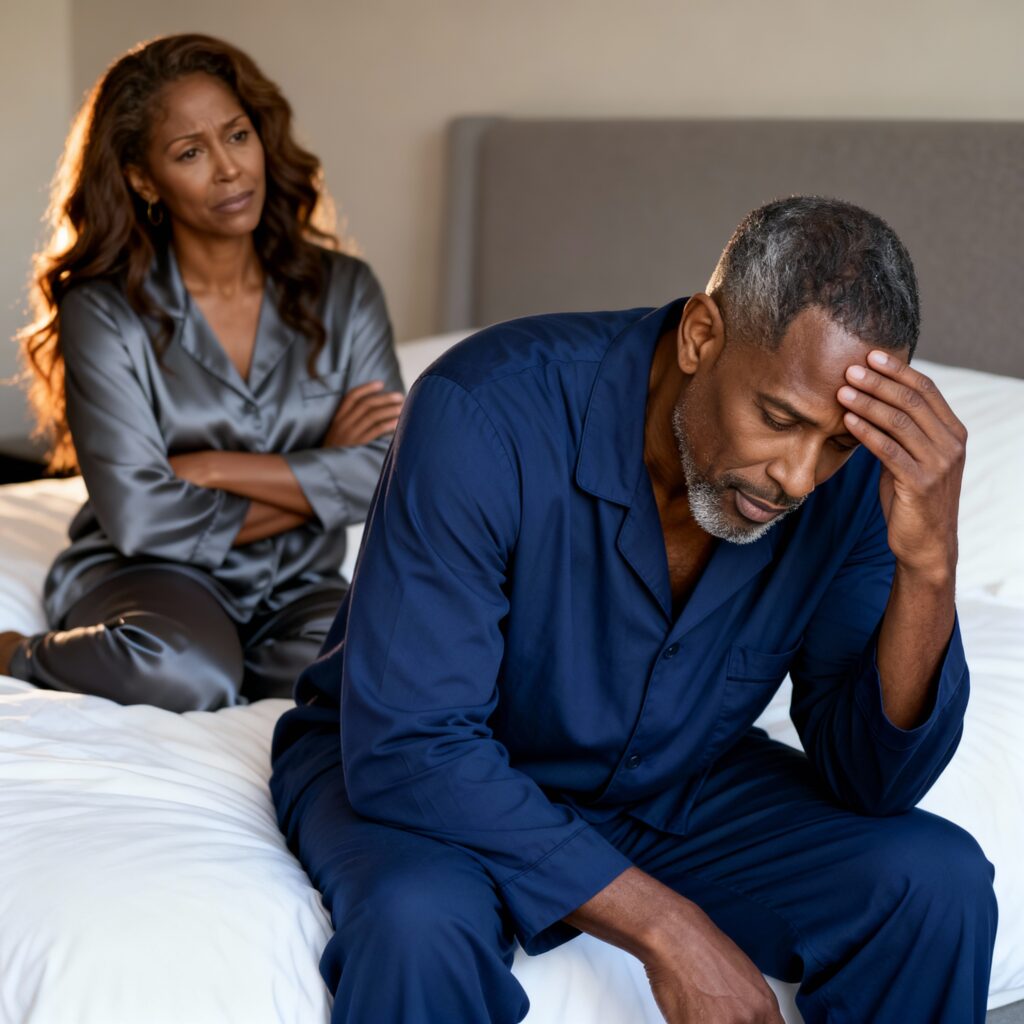
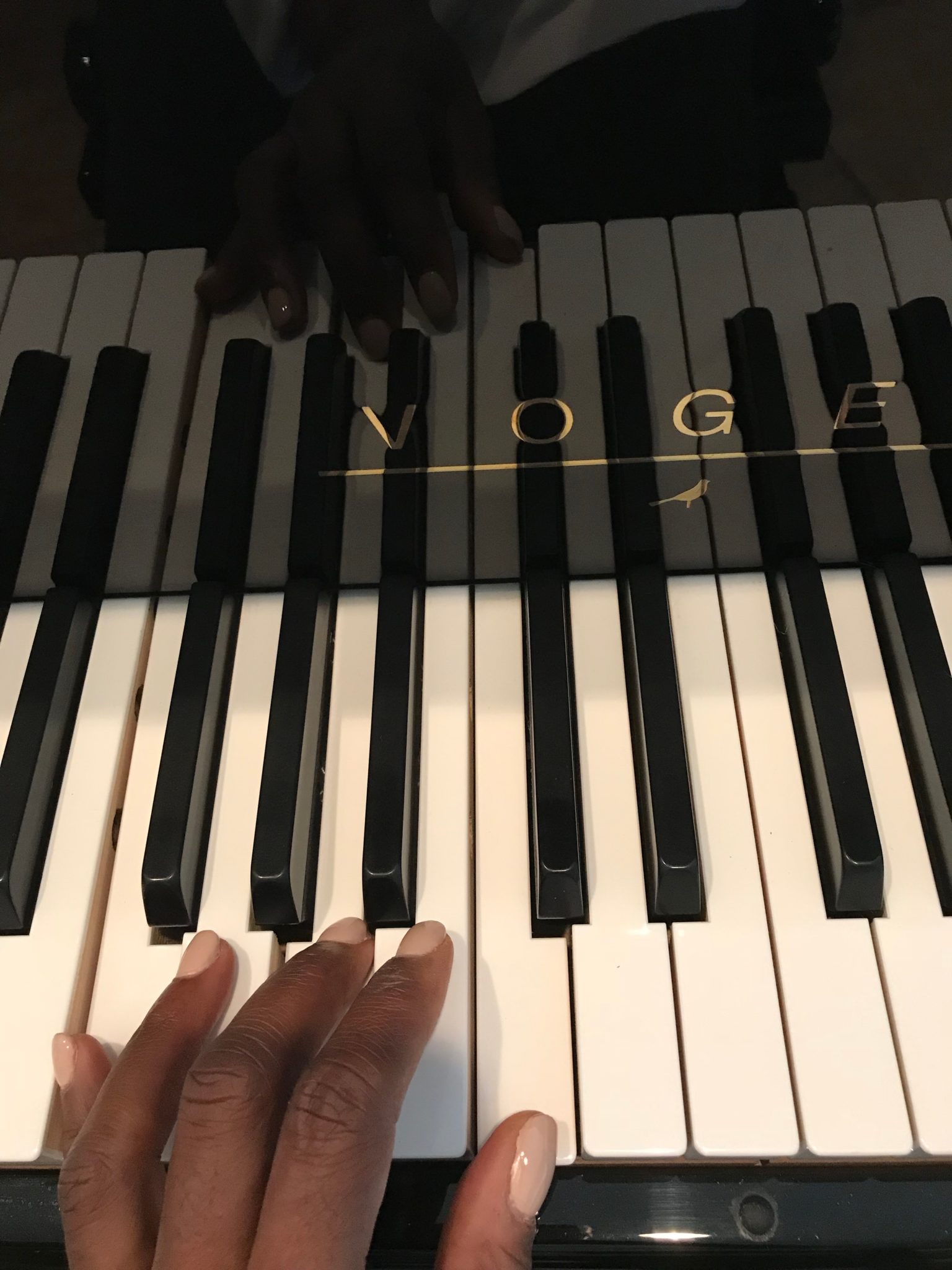
Learning something new can be scary. When I decided to learn how to play the piano, I had many concerns. Am I too old? Do I have enough dexterity in my figures? Will I be able to learn? The truth is I was afraid. Fear stops us from being curious and adventurous, but you know what fear stands for – FEAR…False Evidence Appearing Real !!!
Let’s take a deeper dive
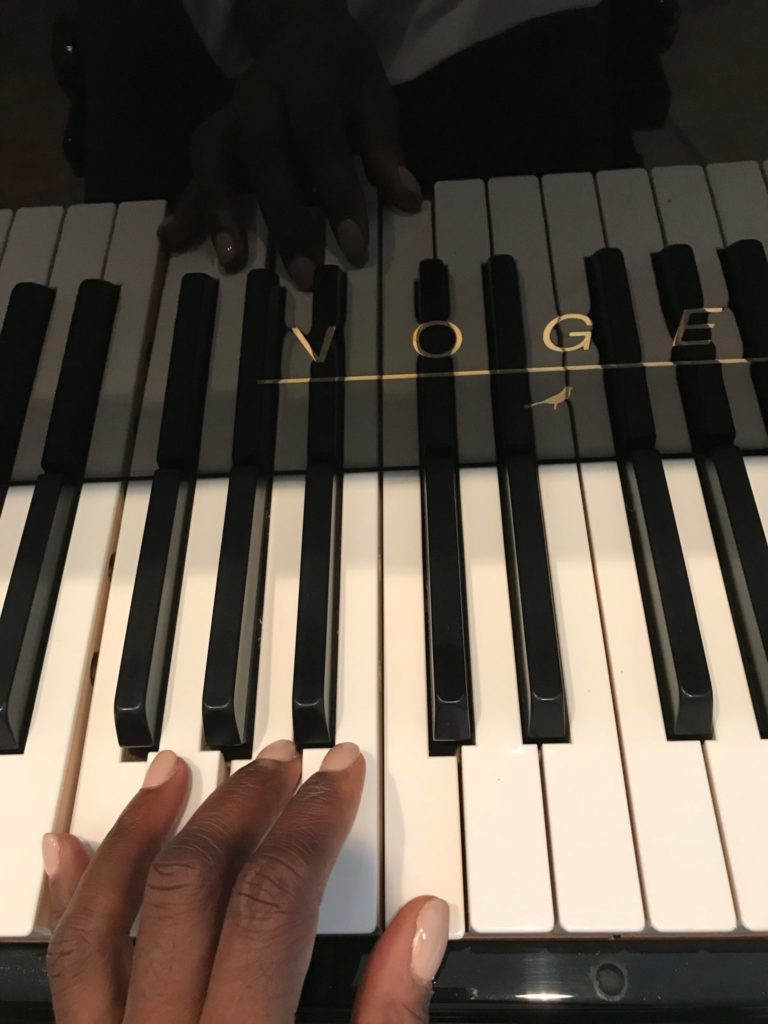
What I have found is most adult learners/students ask themselves these questions when trying something new, but don’t stress! I have been teaching myself to play the piano for about a year and it’s possible to learn as long as you have the desire to learn.
In addition, there are health and wellness benefits too. Studies have shown that playing the piano can reduce stress and improve cognitive function. Learning to read music notes and decoding the relationship of notes to keys for a specific time frame and a specific rhythm is similar to understanding a word, a sentence, and paragraph and its relationship to a whole story. See earlier post “why reading is good for the brain” https://www.drdarlenethomas.com///2019/03/02/why-reading-is-so-good-for-the-brain/
We already know that as we age our cognitive function decreases and playing the piano or any instrument is one way to stave off dementia. Below I have a few suggestions that helped me and I’m sure they will encourage and support you along your musical journey.
Suggestions to help you along your journey
- Overcoming F.E.A.R (False Evidence Appearing Real)
- Setting Realistic GOALS
- Find a PRACTICE method that works for you
- Life EXPERIENCES
Overcoming F.E.A.R (False Evidence Appearing Real) – When learning something new focus on the positive. Attitude is everything. Reinforcing negative talk can leave you feeling like a failure. Remember, its not a race. Time is on your side especially if you’re retired. Change your thinking by challenging yourself and meeting small realistic goals. Making small, steady progress will provide your sense of accomplishment. Enjoy the journey and make it fun.
Setting Realistic GOALS – Deciding if you’re going to self-teach or get a music teacher is step one. There are great teachers for adult learners, and they can help with proper technique, and they can help you choose the best method books and provide plenty of encouragement. A music teacher can also help you learn theory and note reading, but not all adults students can afford a teacher, and if this is your situation, it is not impossible to teach yourself. If you choose the path of self-teaching then setting goals are critical. Set goals that are achievable. Remember this is not a race, its a journey so enjoy it. Social media can be an asset. Today, online lessons, YouTube, Udemy online courses and music apps such as Notes trainer, Music tutor, Flowkey are few that can be very helpful. One of my favorite apps is OnlinePianist. You can download pop, classical, and jazz music for a small fee, but many songs are free. OnlinePianist allows you to hear how the music should sounds (i.e., rhythm); the notes are displayed (i.e., reading and fingering technique). Also, check out Amazon for reviews on method and technique books.
How to PRACTICE – Keep your sessions short. That means 20-30 minutes. If you feel that it’s not enough or you are not feeling fatigued, go ahead and add another 10-20 minutes. Why are the sessions so short? Beginners should not spend an extended amount of time at the keyboard. You will need time to recover and still have fun playing. It’s not fun if you are sore and experiencing discomfort. Initially, I could only practice for 10 minutes and then my arms would start hurting and my fingers would cramp. Begin each session with stretching and basic warm up. Practice your 5 finger scales in different keys. Now it’s time to start working on a song. Break the song up. Play the first few measures. Once you get those down, add additional measures until you’ve worked through the entire song. Then focus on the areas that are giving you the most trouble. Circle the problem sections and focus on tricky rhythms and fingerings. If you are working on specific pop song, practice your chords separate from the melody. Work on fingerings as you move from one chord to the next.
Life EXPERIENCES – You know what you like and what you don’t like and more importantly, you can articulate why you feel this way. You can break down the parts of the music and see the whole picture at the same time. It is because of these experiences, or non-experiences (when it comes to music) that you will be highly motivated. And more importantly you’re older and now have the discipline and the patience to practice.
Conclusion
Remember – Don’t give into your fears. You are doing this because you want to. You want to make it one of the best experiences in your life.
Let know if you found this helped.