

A menopause self-care routine is one of the most powerful ways to restore balance, energy, and confidence during midlife. Menopause isn’t just a biological milestone. It’s a complete life transition that affects your hormones, mood, sleep, and overall well-being. When your estrogen and progesterone levels shift, your body needs extra support to stay strong and stable. By building a consistent daily self-care routine—focused on rest, nutrition, movement, and stress management—you can ease symptoms, boost vitality, and embrace this new stage of life with confidence and grace.
When you take care of your body through daily self-care, you’re not only reducing uncomfortable symptoms, you’re strengthening your health, energy, and peace of mind. These habits can turn a challenging season into a new chapter of growth and empowerment.
What Menopause Does to Your Body
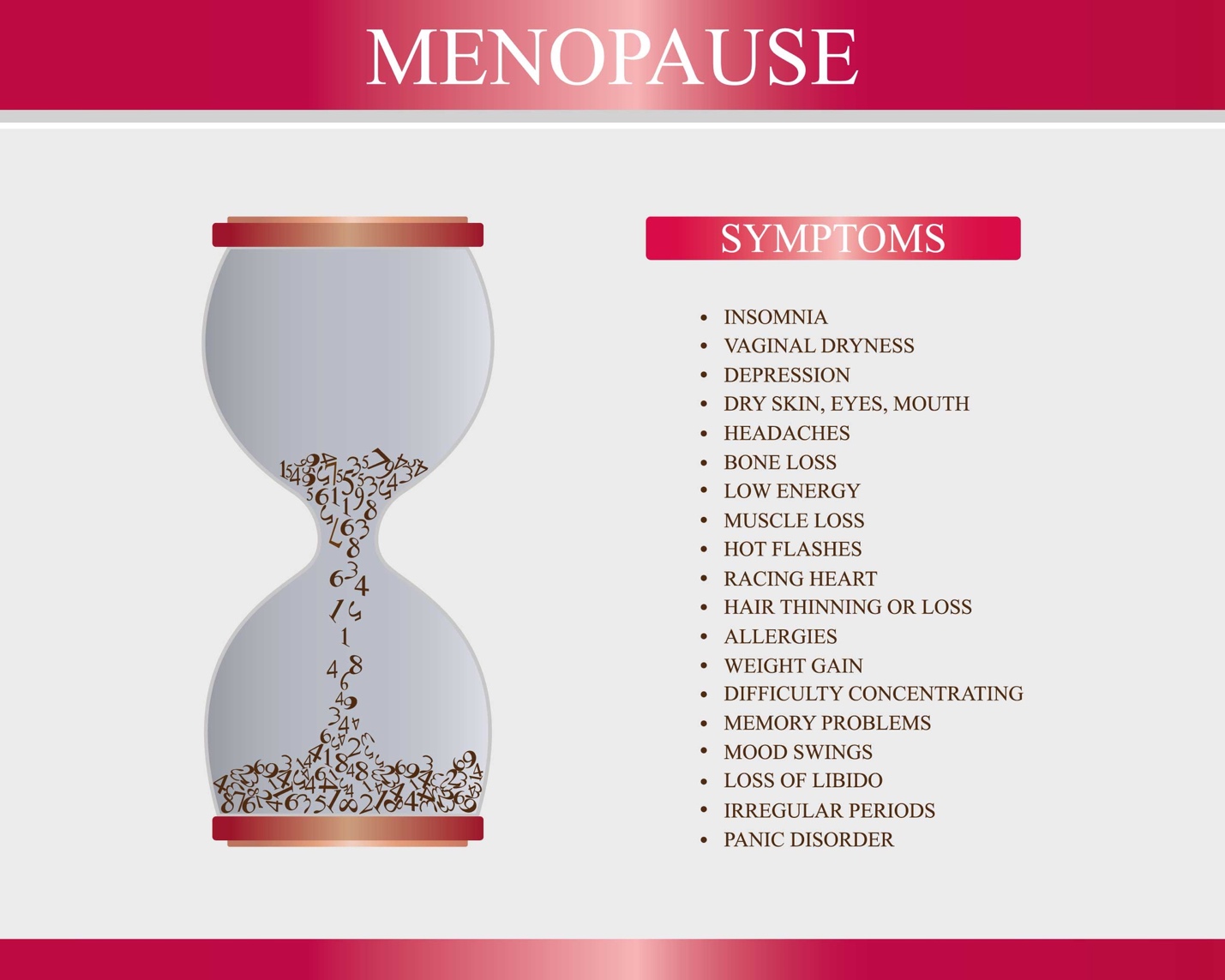
Understanding what happens inside your body helps explain why a menopause wellness routine is so important. As estrogen and progesterone levels decline, your body begins to adjust in several ways:
- Hot flashes and night sweats caused by hormonal changes.
- Sleep disruption and fatigue due to night sweats or insomnia.
- Mood swings and irritability linked to shifting hormones.
- Bone loss because estrogen protects bone density.
- Weight changes and slower metabolism.
- Vaginal dryness and discomfort from decreased estrogen.
These physical and emotional shifts are natural, but without a steady self-care plan, they can feel overwhelming.
Sleep Is Key to a Menopause Self-Care Routine

Sleep is the foundation of your menopause self-care routine. When you don’t sleep well, stress hormones spike, which worsens hot flashes, mood swings, and fatigue.
Tips for better sleep:
- Stick to a regular bedtime and wake-up time.
- Keep your bedroom cool, dark, and clutter-free.
- Limit caffeine and alcohol in the evening.
- Practice relaxing rituals like stretching, deep breathing, or reading.
How often: Every night.
Benefits: More energy, better focus, and calmer moods.
Nutrition Tips for a Menopause Self-Care Routine

Food is medicine during menopause. What you eat directly impacts your hormones, bone strength, and energy levels.
Add these to your menopause health routine:
- Calcium & Vitamin D: Protect bones (milk, yogurt, leafy greens, salmon).
- Healthy fats: Support hormones (avocados, olive oil, seeds).
- Protein: Maintains lean muscle and metabolism.
- Phytoestrogens: Plant estrogens that ease symptoms (soy, flaxseeds, lentils).
- Hydration: Reduces dryness and boosts energy.
How often: Every day, at every meal.
Benefits: Strong bones, balanced mood, and reduced hot flashes.
Add Exercise To Your Menopause Self-Care Routine

Regular movement is vital for a menopause wellness routine. It strengthens bones, stabilizes hormones, and supports your mood.
Try this routine:
- Cardio (5x/week): Walking, dancing, swimming, etc.
- Strength training (2–3x/week): Weights or resistance bands.
- Yoga or stretching (daily): Relieves stiffness and calms the mind.
Benefits: Improved energy, less stress, better sleep, and stronger bones.
Manage Stress and Emotions

Stress and mood changes are common during menopause, but emotional self-care helps you stay grounded.
Simple ways to support your emotional well-being:
- Practice meditation or deep breathing for 10 minutes daily.
- Write down what you’re grateful for.
- Spend time with friends who uplift you.
- Set healthy boundaries to reduce burnout.
How often: Daily, even if just for a few minutes.
Benefits: Reduced anxiety, better sleep, and more emotional balance.
Create a Comfortable Environment
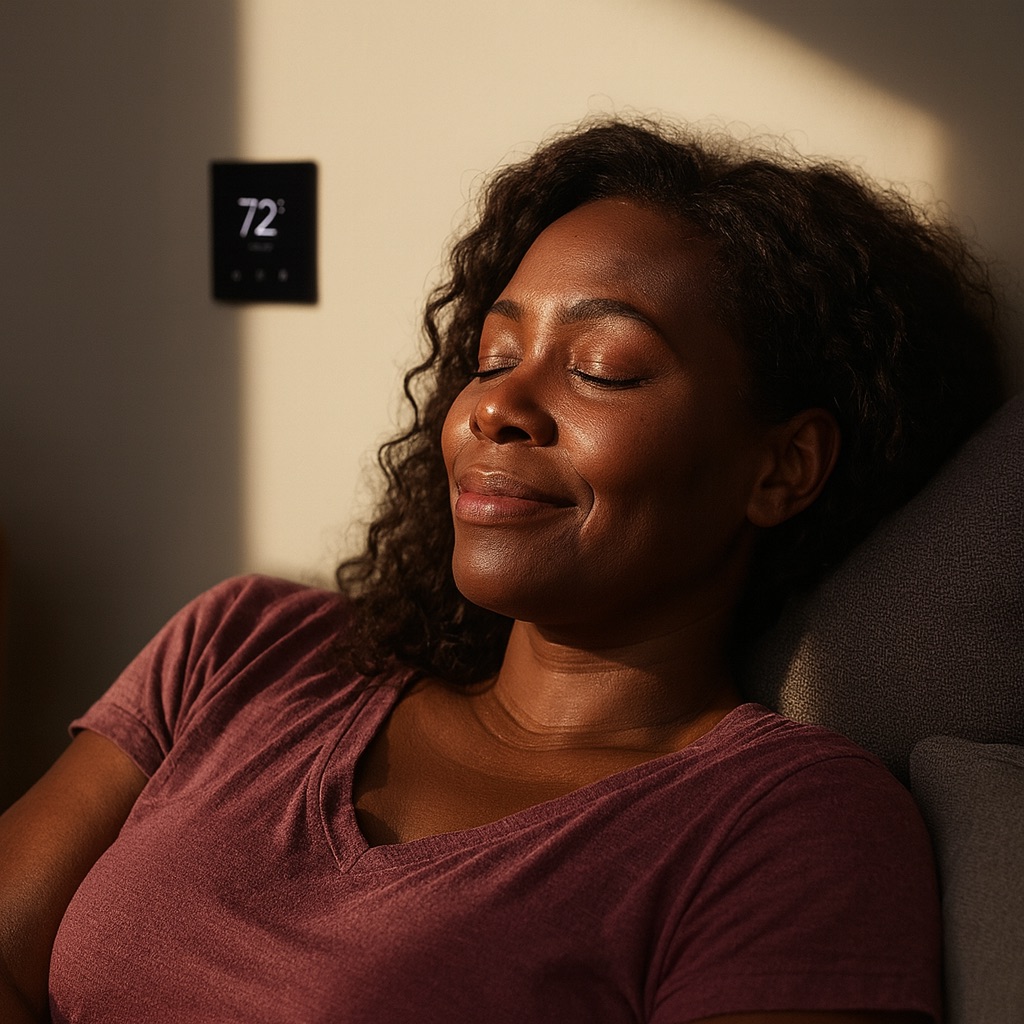
Small adjustments to your surroundings can make menopause more manageable.
Try this:
- Wear breathable fabrics to prevent overheating.
- Keep your home and workspace cool.
- Use gentle moisturizers and water-based lubricants for dryness.
- Stay hydrated. Keep a water bottle nearby.
How often: Every day as part of your lifestyle.
Benefits: Fewer hot flashes, improved sleep, and overall comfort.
Consistency Is the Secret to Success

Consistency matters more than perfection. A daily menopause self-care plan keeps your body regulated and your mind calm. Even 15 minutes of focused self-care a day—stretching, deep breathing, or journaling—can make a real difference.
These routines are your roadmap to thriving —not just surviving —through menopause.
When to Consult a Menopause Wellness Coach
Even though self-care is powerful, some symptoms may need professional attention. Talk to a menopause wellness coach if you experience:
- Severe hot flashes or mood swings
- Painful intercourse or dryness
- Unexplained weight gain
- Trouble sleeping or chronic fatigue
A menopause wellness coach can help you personalize your care plan, explore safe hormone or non-hormone options, and guide you toward lasting relief.
Don’t navigate menopause alone. Schedule a consultation with a certified menopause specialist to design a wellness plan tailored to your body and lifestyle.
Building a menopause self-care routine is about more than managing symptoms. It’s about empowerment. When you make time for your body, nourish your mind, and create healthy habits, you step into midlife stronger, calmer, and more confident.
Menopause may mark the end of one phase, but it’s the beginning of another—one where you can truly thrive.