

If you’ve hit your 40s or 50s and suddenly feel your skin is changing, this blog will explain how menopause affects your skin and offer tips to help combat common problems. Many women are surprised when their once-beautiful skin starts acting totally different. One day, you wake up wondering, Why is my face suddenly dull? Why am I breaking out like a teenager? What happened to my glow? Well, you’re not alone.
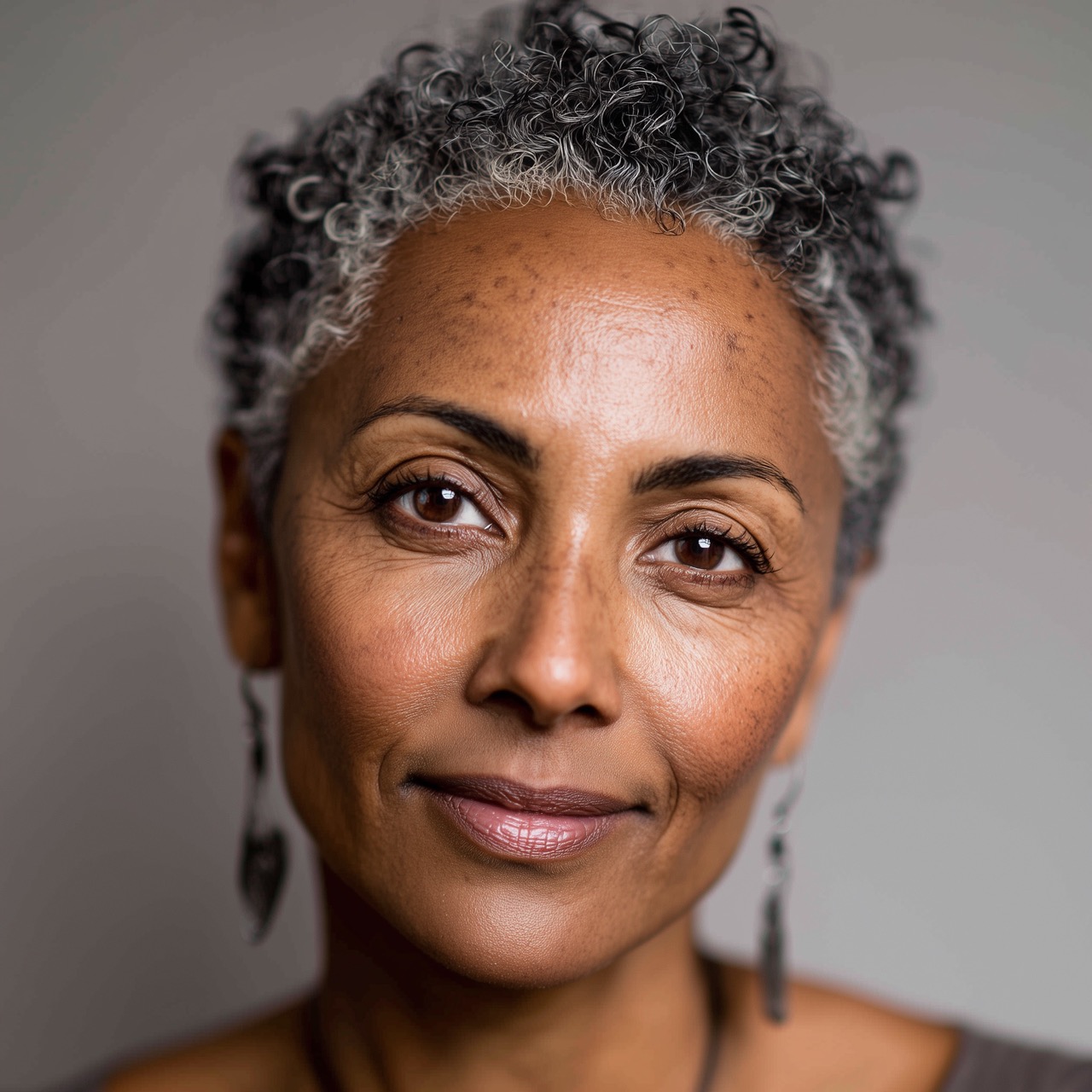
This shift is completely normal, and there are scientific reasons for what’s happening under the surface.
Let’s dive in and explore ways to bring your radiance back—naturally, gently, and effectively.
Why Menopause Affects Your Skin
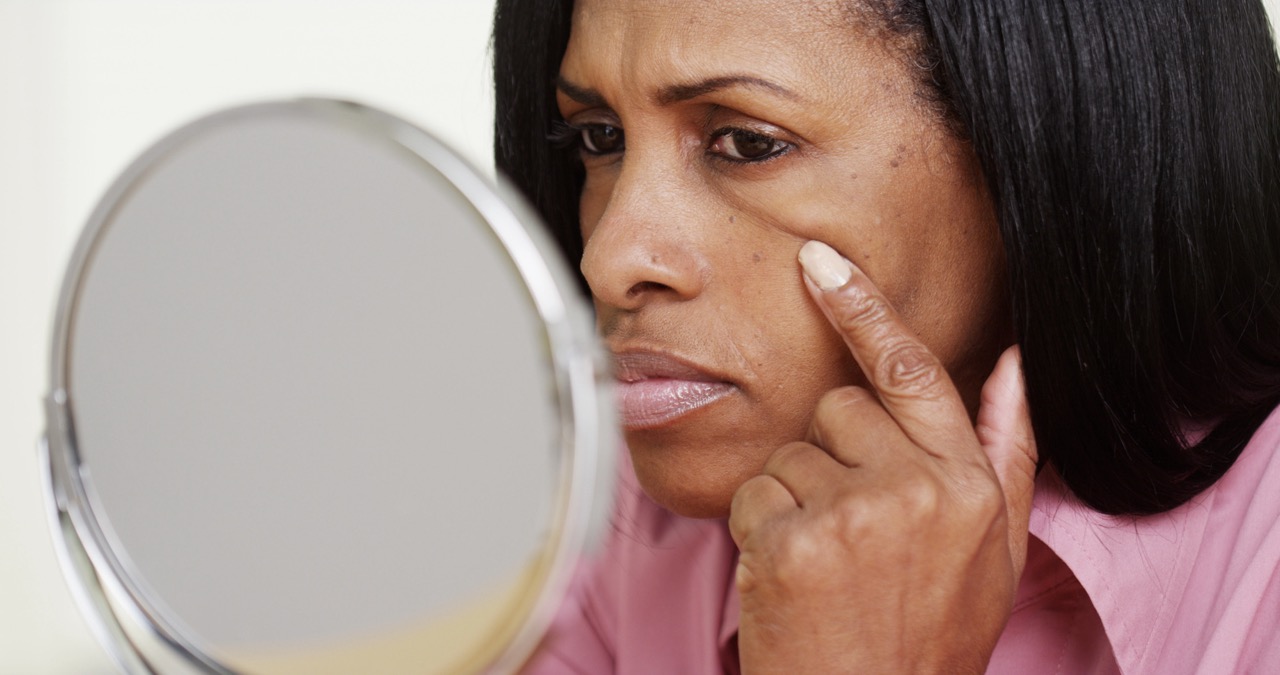
Understanding the “why” makes the “fix” so much easier. During menopause, estrogen levels drop dramatically. Estrogen is one of the biggest players in your skin’s health.
Here’s what that hormone shift does:
Estrogen Decline = Less Collagen
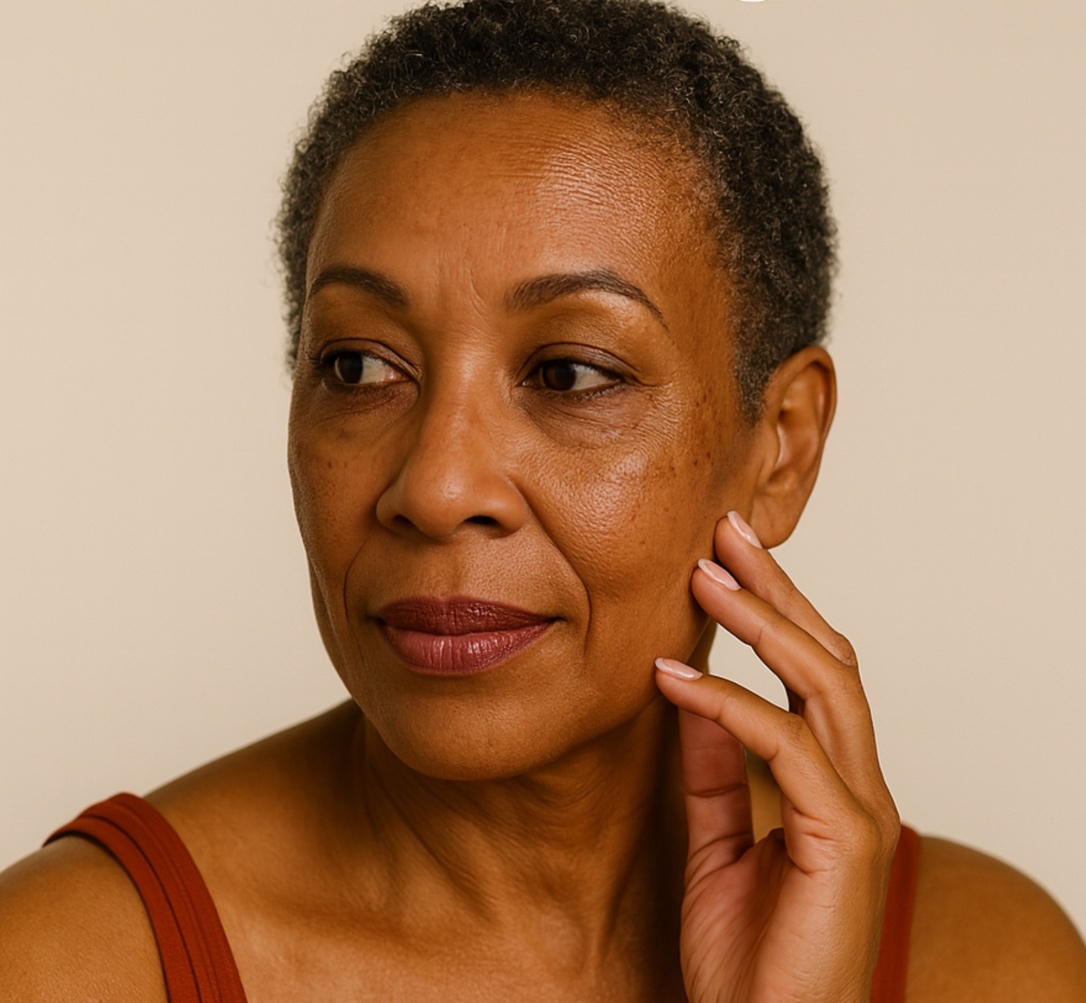
Estrogen helps your body create collagen, the protein that keeps your skin firm, plump, and youthful.
When estrogen drops:
- Collagen decreases by up to 30% in the first five years
- Skin becomes thinner
- Fine lines show up faster
- Elasticity fades
Think of collagen like scaffolding for your skin. With less of it, everything softens and becomes more delicate.
Declining Estrogen Also Means Drier Skin

Estrogen regulates oil production and water retention in your skin.
When levels drop, your skin may suddenly feel:
- Dry
- Tight
- Easily irritated
- Rough or flaky
This dryness can make wrinkles appear more pronounced because there’s less natural moisture cushioning your skin.
Slower Cell Turnover Makes Skin Look Dull
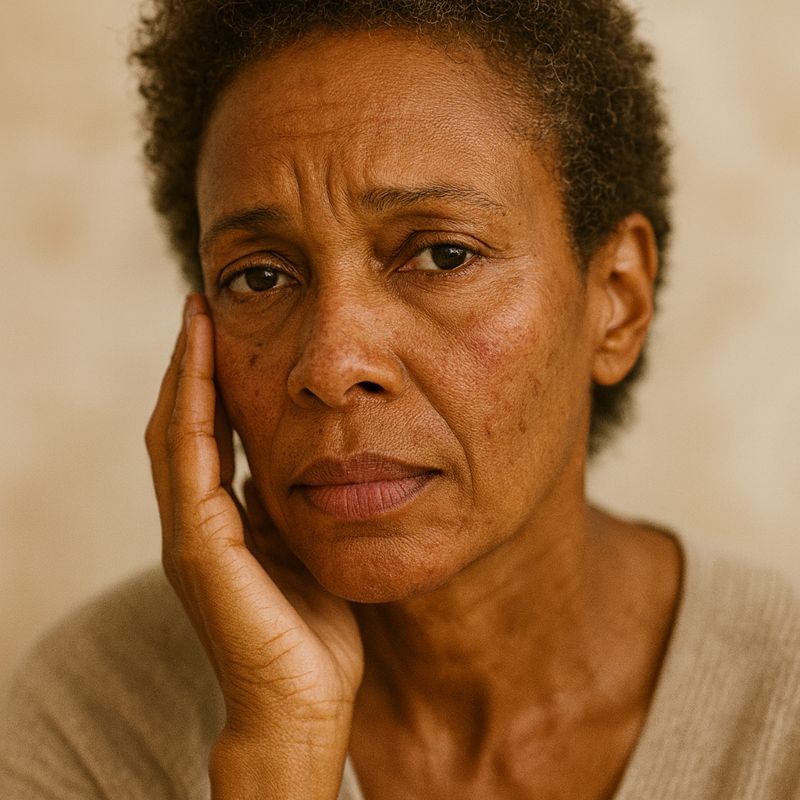
Cell turnover naturally slows with age, but menopause speeds that process up.
That means:
- Dead skin cells linger longer
- Dark spots stick around
- Skin looks less bright
- Texture becomes uneven
You might feel like you’re glowing one day and dull the next. It’s the changing pace of skin renewal.
Hormonal Acne Can Make an Unexpected Comeback
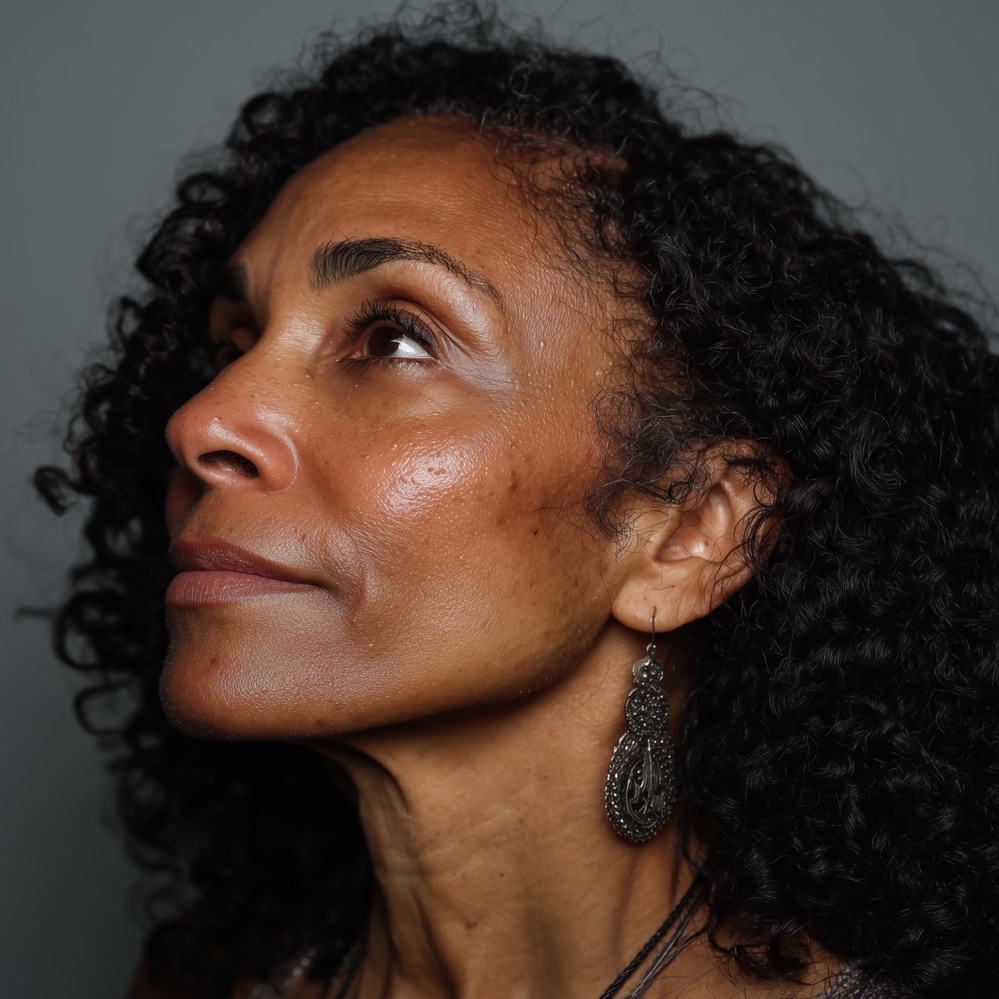
Even if you never struggled with breakouts before, hormonal shifts can trigger:
- Chin and jawline acne
- Cystic bumps
- Occasional flare-ups
This can be especially frustrating when paired with dryness or sensitivity. Yes, you can be dry and break out at the same time.
Skin Becomes More Sensitive
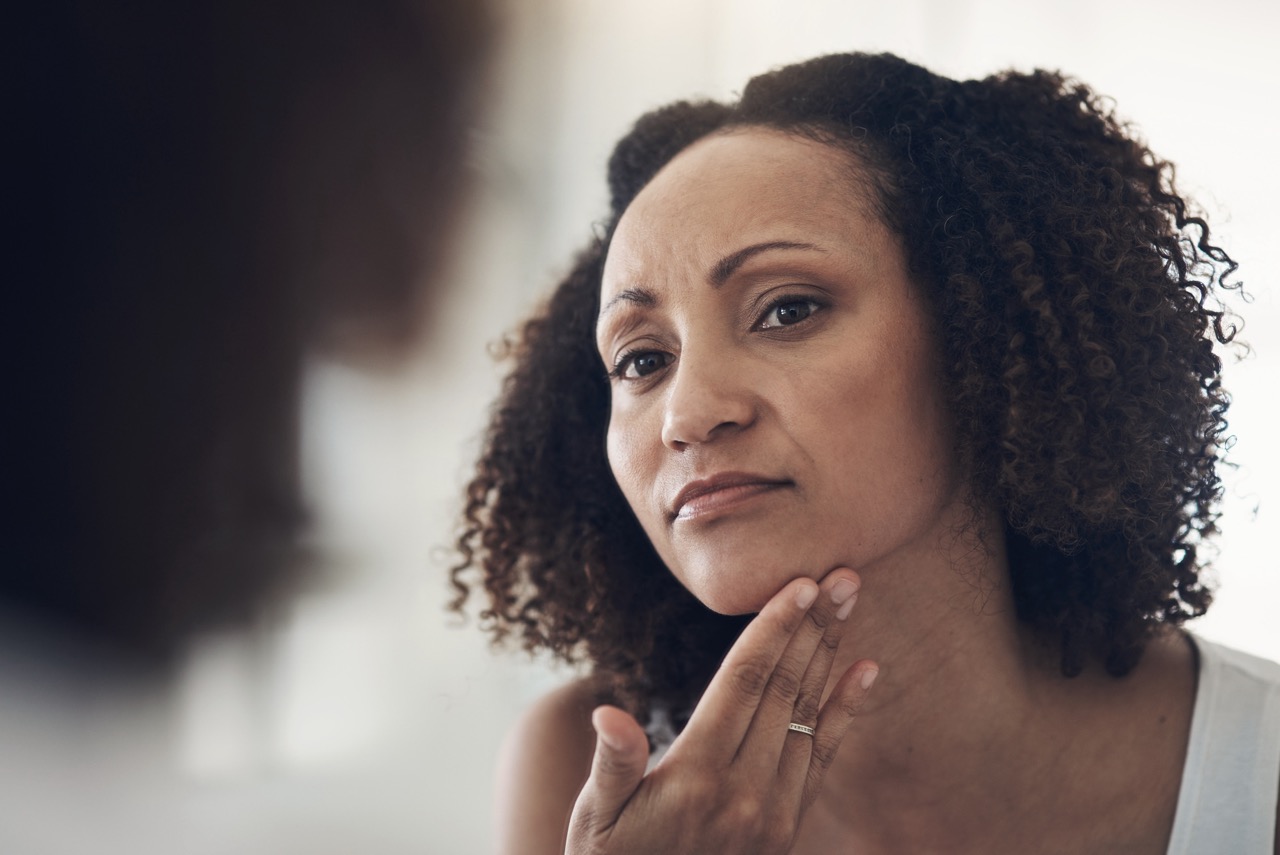
With less estrogen, your moisture barrier weakens. This leaves your skin more reactive to:
- Harsh cleansers
- Retinol overuse
- Fragrance
- Weather
- Stress
Products you used for years may suddenly feel irritating or too much.
Less Fat Under the Skin Means More Sagging
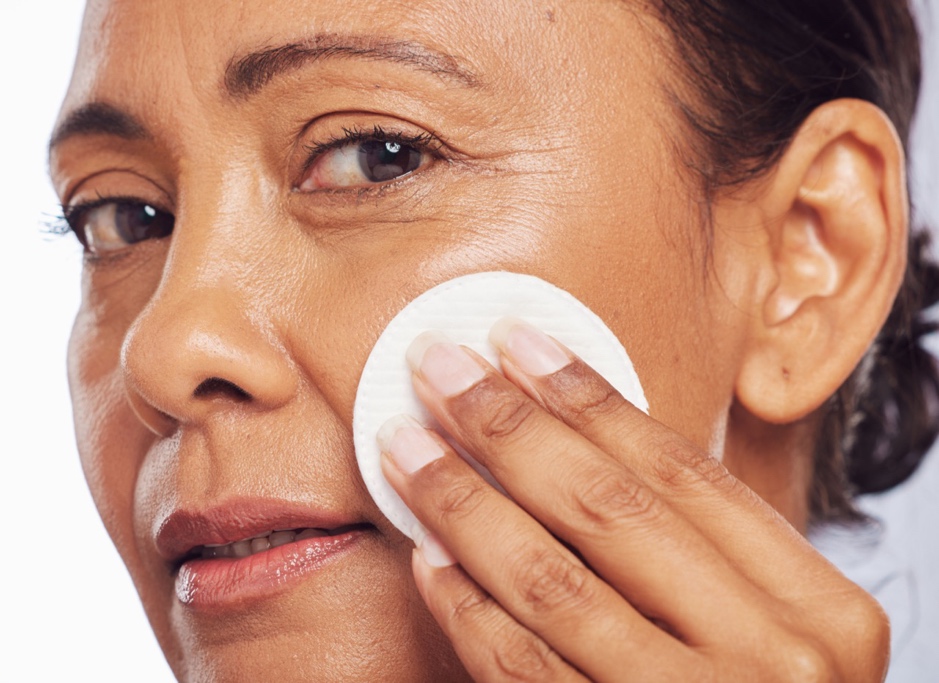
Menopause causes a natural decrease in subcutaneous fat, which is the cushiony layer under your skin. This leads to:
- Hollow or sunken areas
- Sagging around the jawline
- More pronounced lines around the mouth and eyes
It’s not your imagination. It’s a structural change happening beneath the surface.
How to Get Your Glow Back After Menopause
Here’s the good news? With the right skincare and lifestyle habits, you can get your glow back. Your skin can still look smooth, radiant, and healthy by taking a different approach.
Let’s get into practical steps you can start right away.
Hydrate Deeply With Hyaluronic Acid + Ceramides
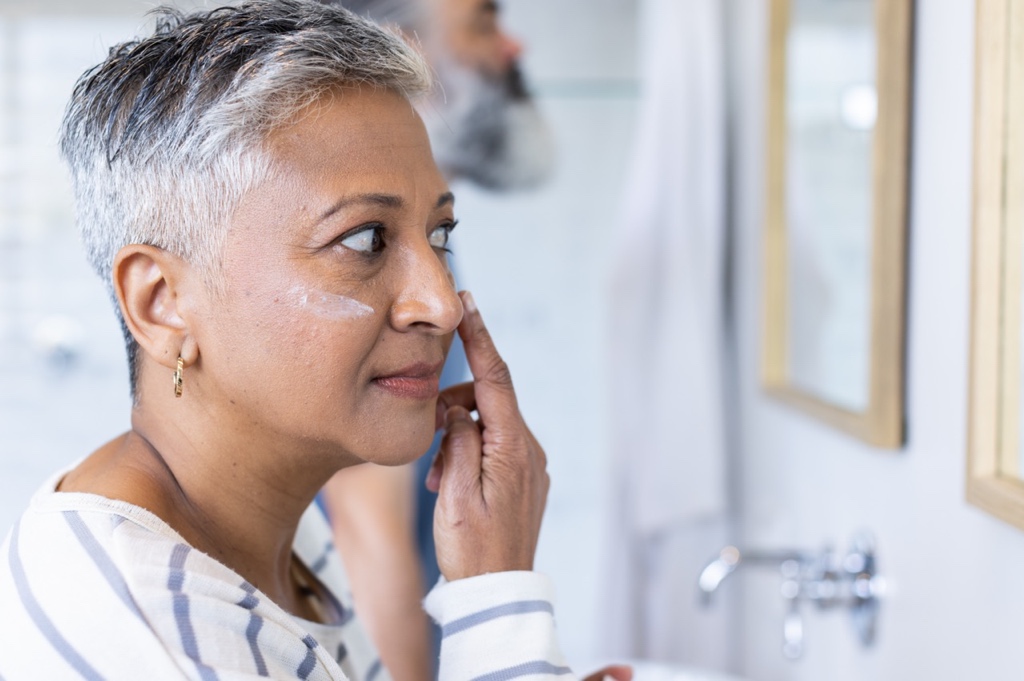
Moisture is queen during menopause.
Look for:
- Hyaluronic acid to pull water into the skin
- Ceramides to strengthen the barrier
- Squalane for lightweight moisture
- Peptides to support firmness
Switching to a richer moisturizer often makes an immediate difference.
Add Collagen-Supporting Ingredients
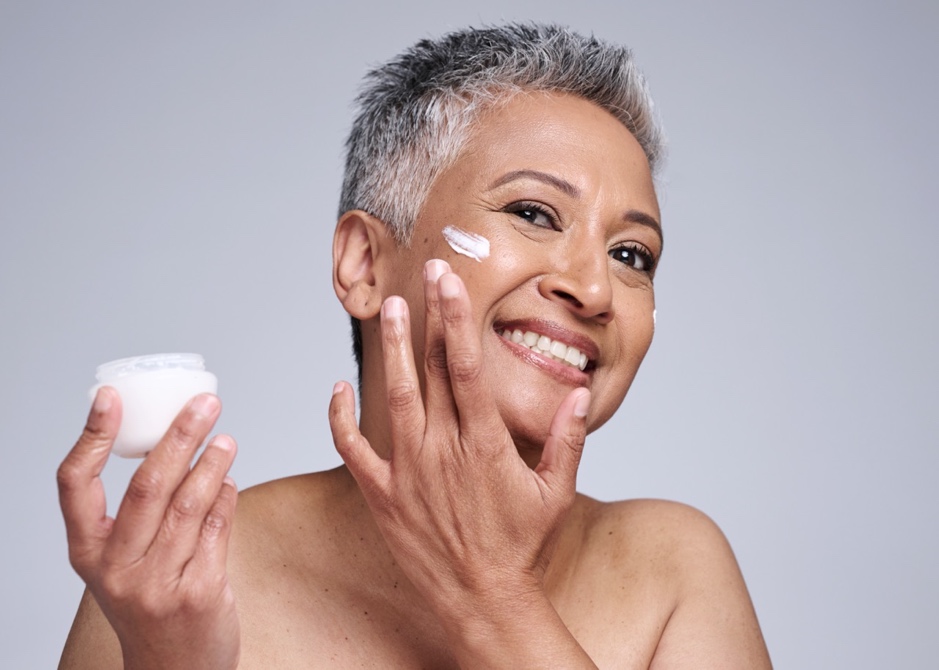
Your body may not produce collagen the way it used to, but you can encourage it with:
- Vitamin C– brightens and supports collagen production
- Peptides
- Retinol– if your skin tolerates it, start slow
- Bakuchiol–a gentle retinol alternative
These ingredients help improve firmness and give skin a more youthful bounce.
Exfoliate Gently to Restore Radiance
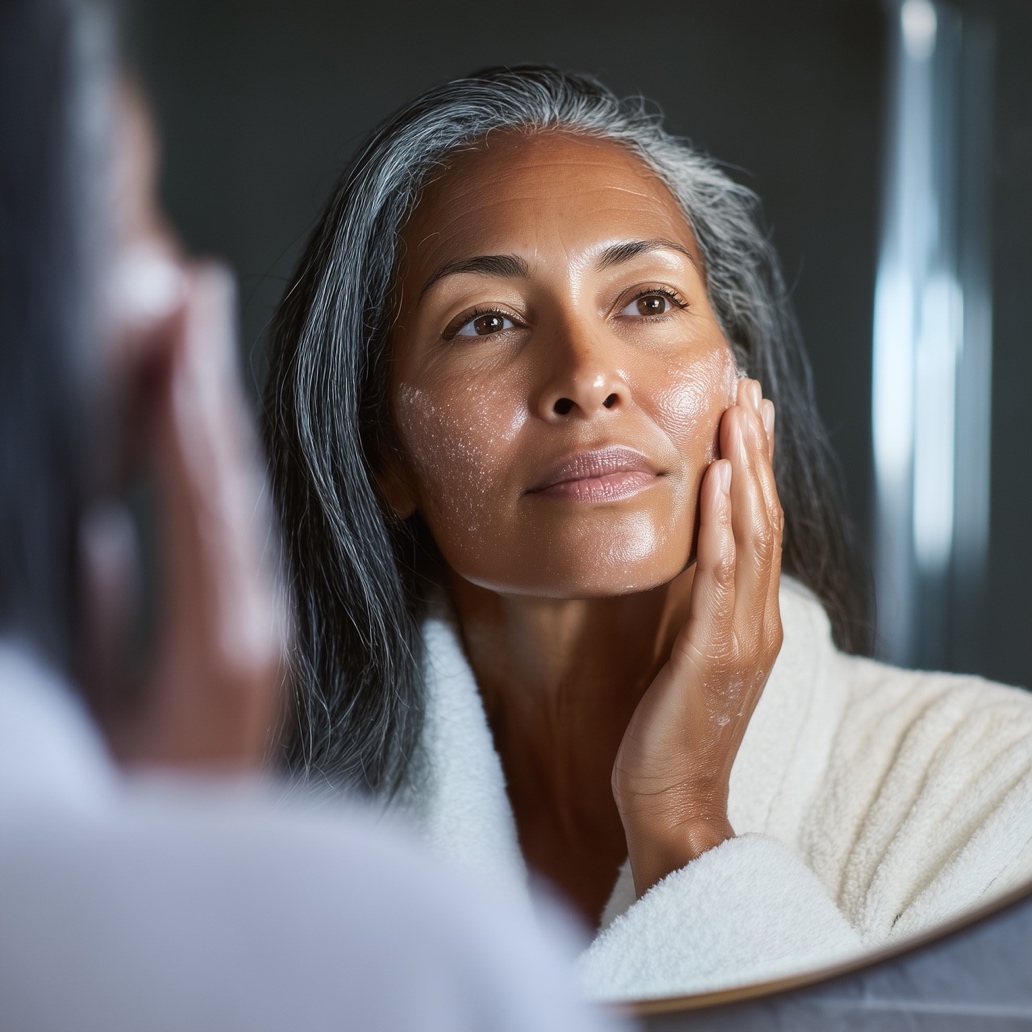
Because cell turnover slows down, exfoliation becomes essential.
Use:
- AHA acids (like glycolic or lactic) 1–2 times per week
- Enzyme exfoliants, if your skin is sensitive
This removes dullness and boosts brightness without stripping your skin.
Protect Your Skin With SPF Every Single Day
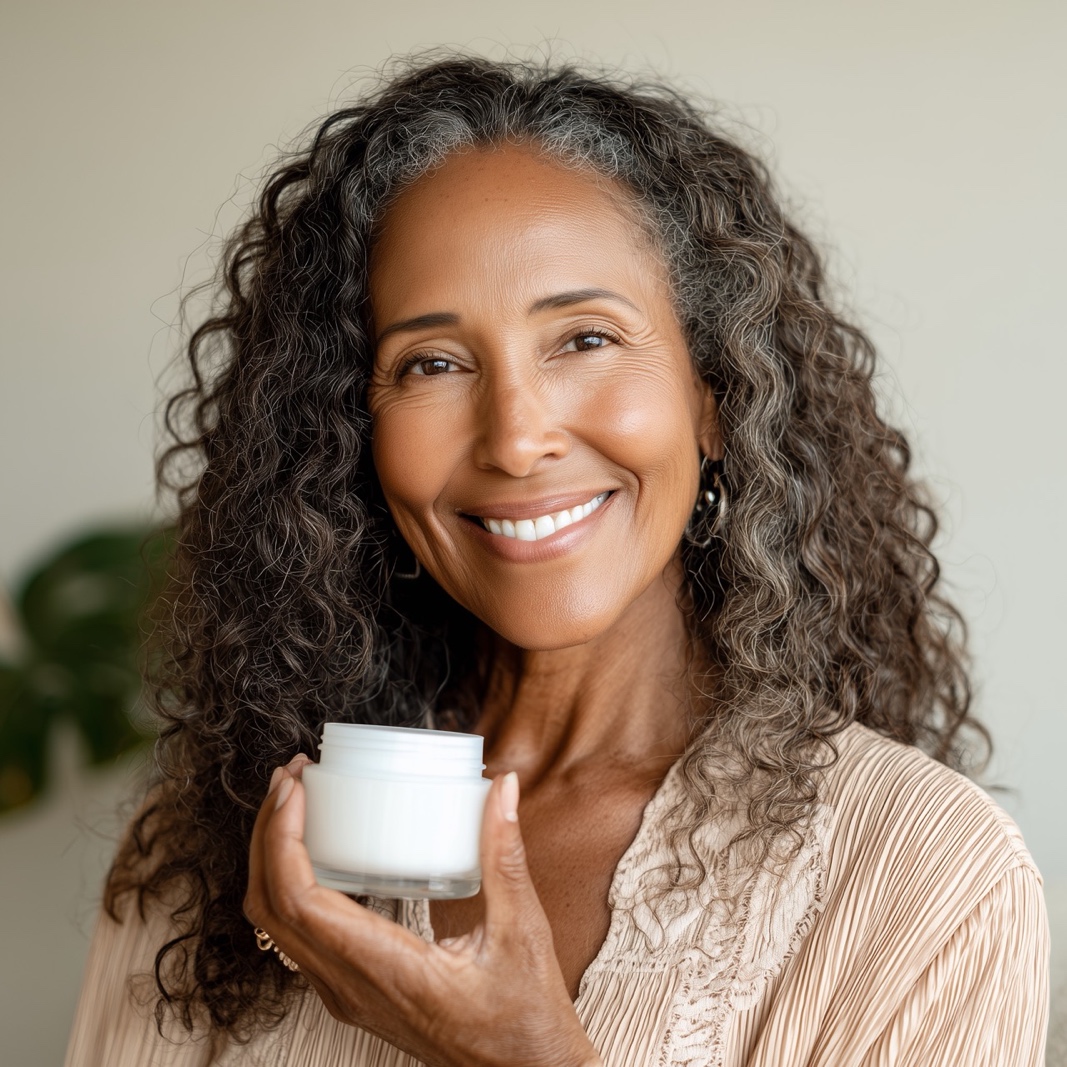
With thinning skin, UV exposure causes double the damage.
Use:
- SPF 30 or higher
- Broad-spectrum (UVA + UVB protection)
- Mineral formulas if you’re sensitive
Daily sunscreen = less sagging, fewer dark spots, and better long-term luminosity.
Support Your Glow From the Inside Out
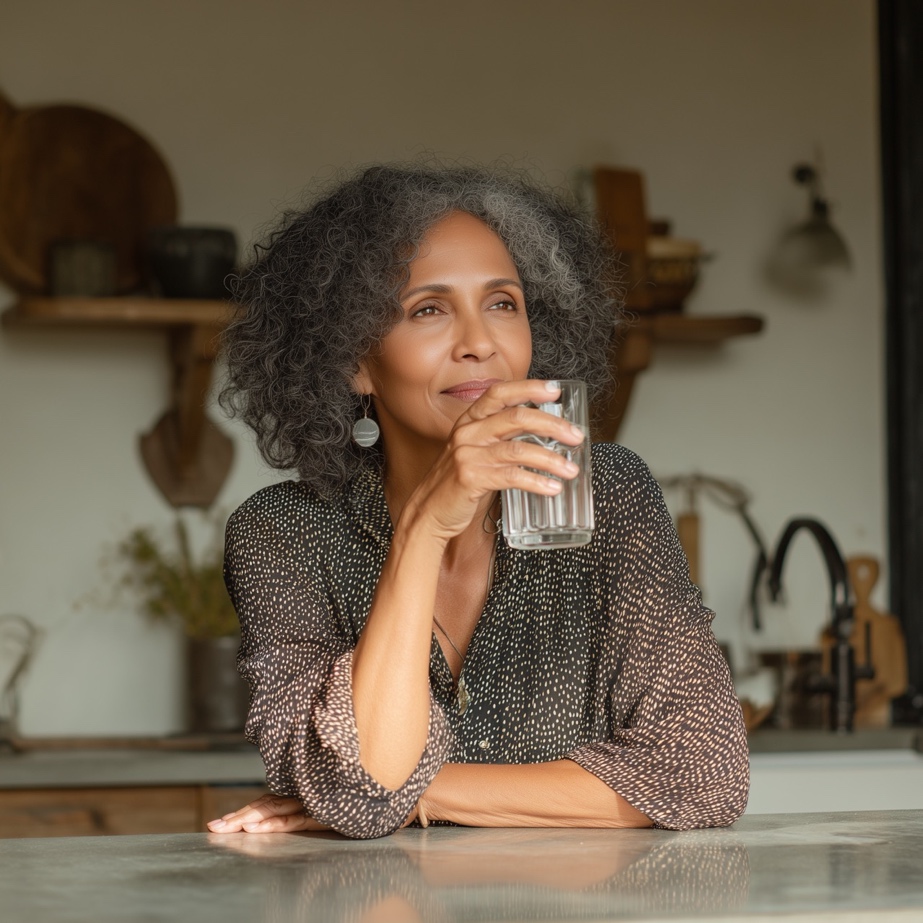
Skincare is half the equation. Your lifestyle is the other half.
Focus on:
- Hydration: aim for 60–80 oz of water daily
- Healthy fats: avocado, salmon, olive oil for moisture from within
- Collagen-boosting foods: berries, leafy greens, bone broth
- Good sleep: hormones regulate themselves overnight
- Stress management: cortisol spikes increase inflammation
Small daily habits make a big difference.
Balance Your Skin With a Simpler Routine
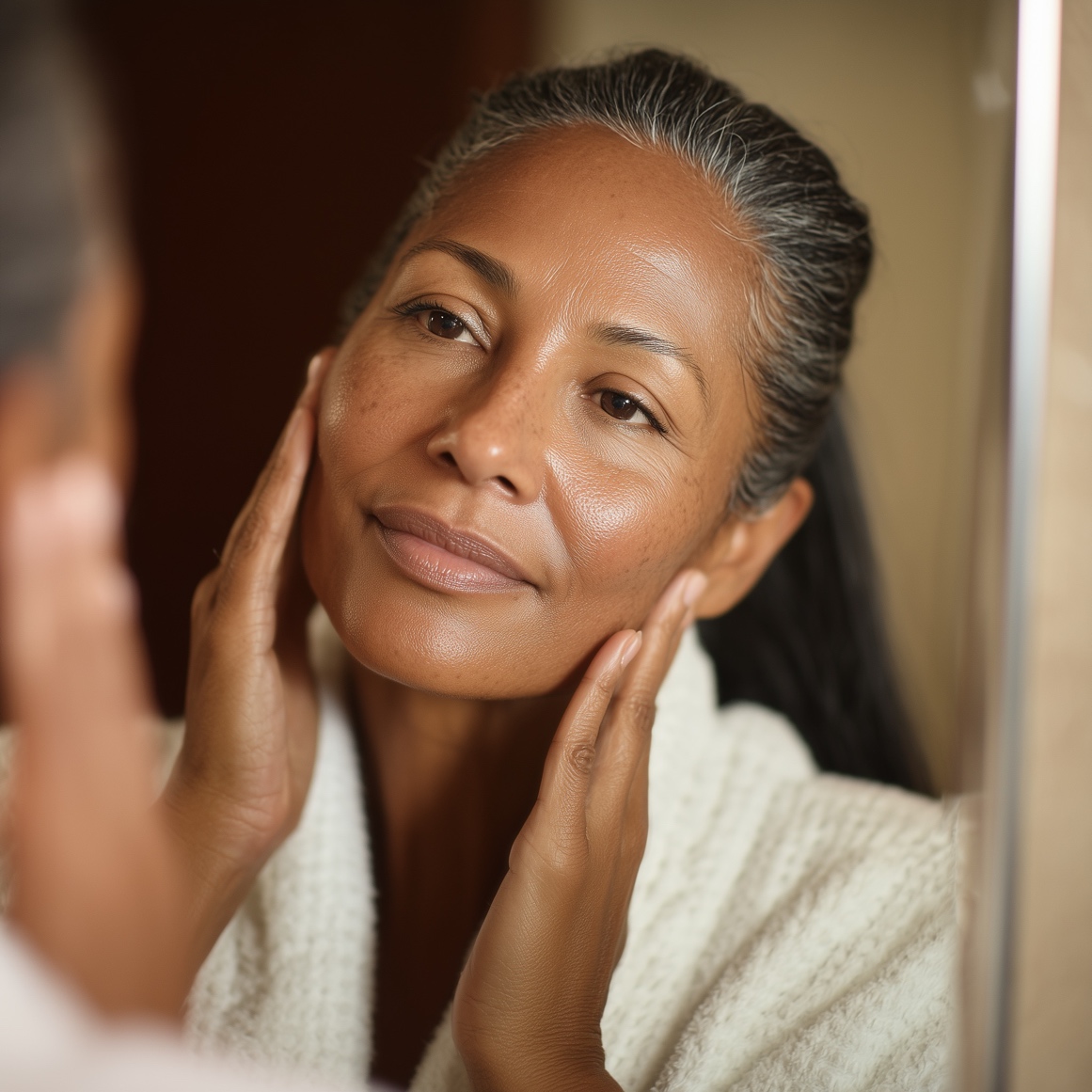
During menopause, less is more.
Try a routine like:
AM
- Gentle cleanser
- Vitamin C serum
- Moisturizer (ceramides + peptides)
- SPF
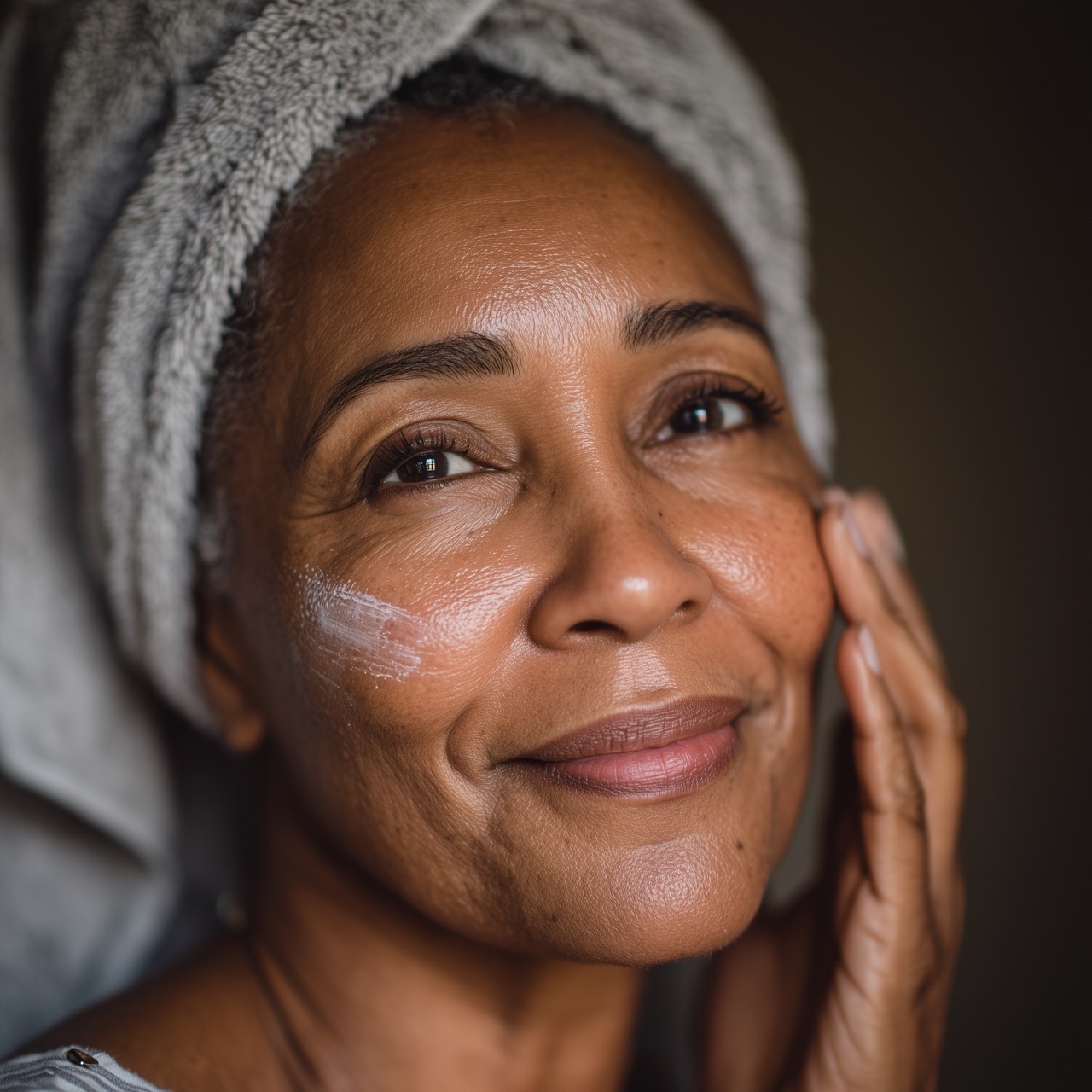
PM
- Gentle cleanser
- Hydrating serum (hyaluronic acid)
- Night cream
- Optional: retinol or bakuchiol 2–3x per week
Give your skin consistent nourishment, not constant stimulation.
Consider Professional Treatments for a Boost
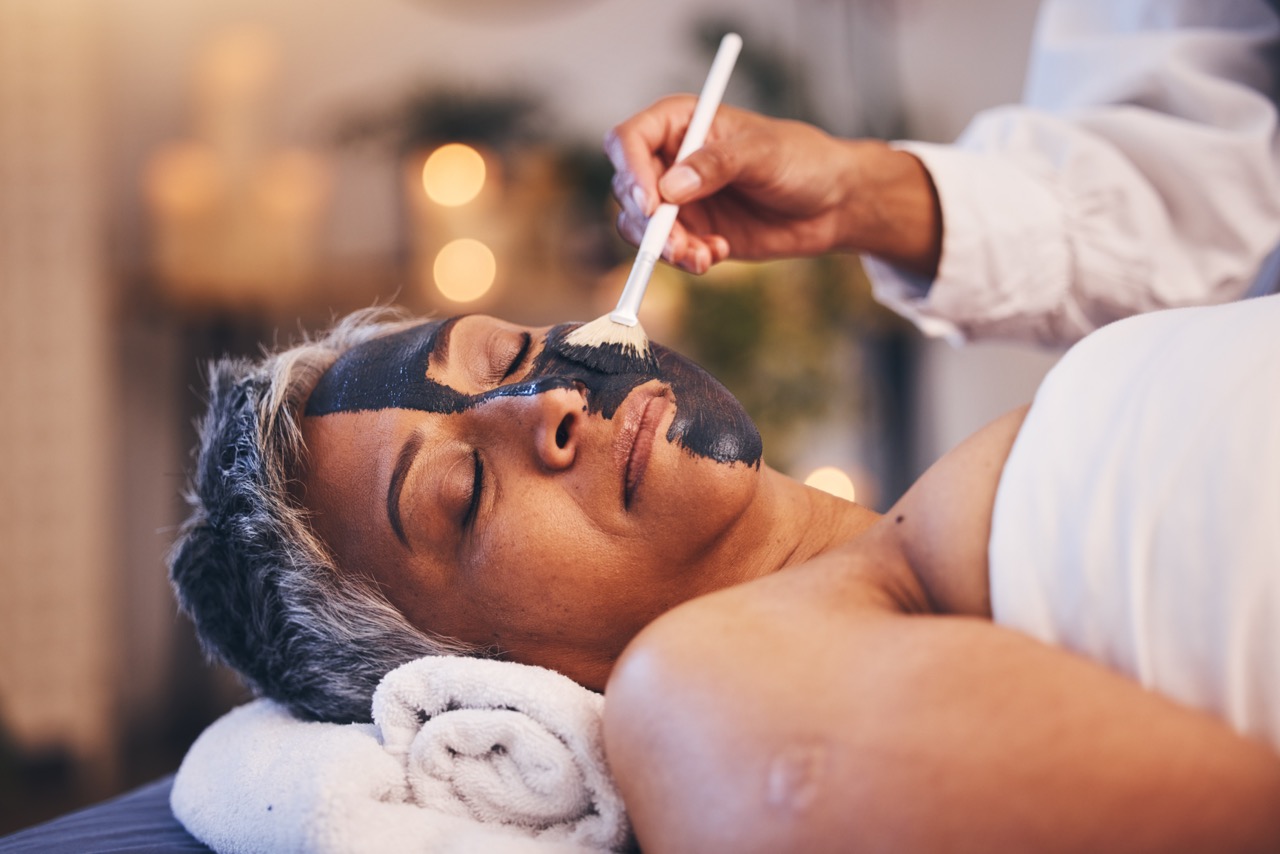
If you’re looking for faster results, talk to a skincare professional about:
- Microneedling
- LED light therapy
- Hydrafacials
- Chemical peels
- Radiofrequency tightening
- Laser treatments
These can improve firmness, texture, and collagen production in ways topical products can’t.
Your Glow Is Not Gone—It Just Needs New Care

Menopause doesn’t mean losing your radiance. It simply means your skin needs different support than before. Once you understand why menopause affects your skin, you can make choices that help your skin stay gorgeous and glowing.
Your body is changing, but your beauty is not fading. With the right habits, skincare, and nourishment, you can make major changes to your skin. Contact a menopause wellness coach if you have questions or if you want a customized skincare plan to help your skin look more vibrant.






Great site, i recommend it to everyone ArbSwap